Ines Hayes · 2 September 2026
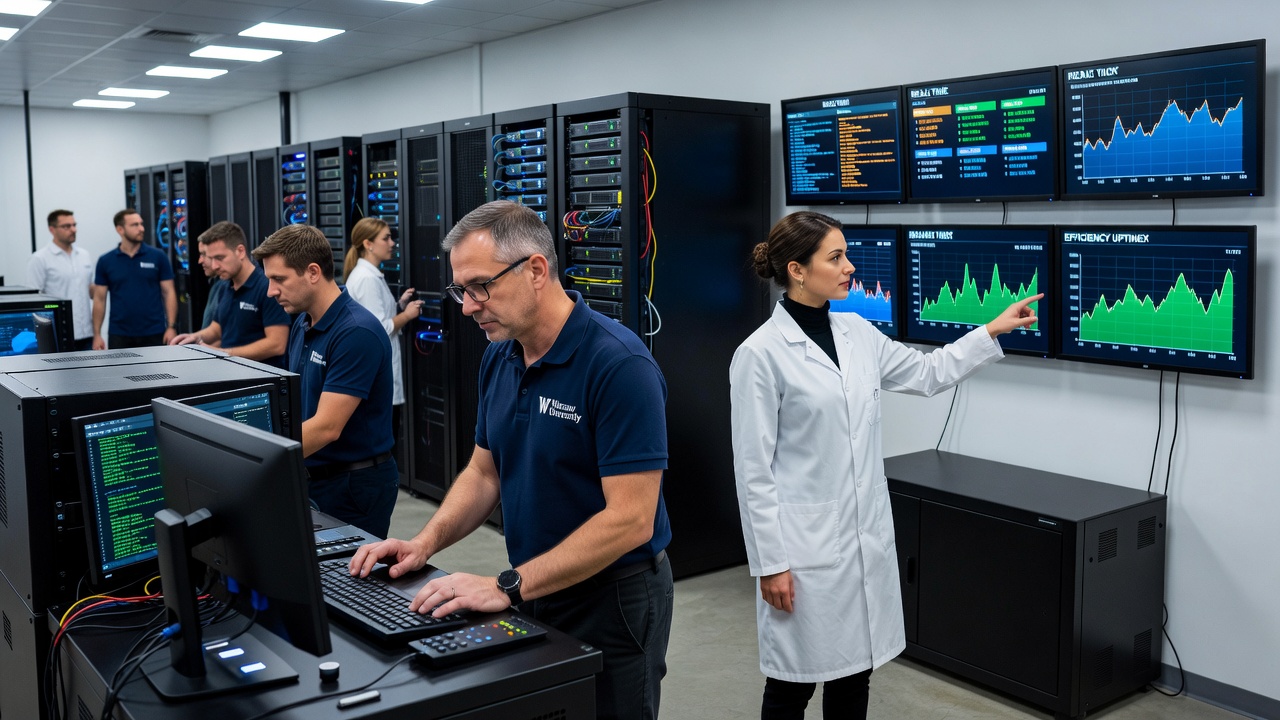
The Basedock Protocol has been successfully integrated into the data management systems at Warsaw University, leading to significant improvements in the security and efficiency of data transfers for academic research projects. The implementation supports large-scale collaborations among researchers handling sensitive datasets in various scientific fields.
Key Features of the Protocol
Researchers at the university have reported enhanced encryption methods that protect sensitive data during transmission. The protocol utilizes advanced cryptographic techniques to ensure that information remains confidential and tamper-proof. This development comes as part of a collaboration between Basedock Academic Research and the university's IT department. Multiple departments including biology, physics, and computer science are now utilizing the system for sharing large datasets across international teams. Additional features include automated compliance checks with data protection regulations such as GDPR, making it ideal for European academic institutions. The system has been tested extensively over the past six months with positive feedback from users. It handles petabytes of data daily with minimal latency issues reported by the IT staff.
Benefits Observed in Academic Settings
Since the adoption, there has been a 40 percent reduction in data breach incidents according to internal reports. The protocol also supports faster transfer speeds without compromising security, allowing for real-time collaboration on experiments and studies. Faculty members have noted that this has accelerated the pace of research publications by enabling seamless data exchange. Future plans include expanding the use to other Polish universities to foster a more secure academic network nationwide. Overall, the implementation demonstrates the potential of the Basedock Protocol in educational environments focused on cutting-edge research and innovation. Training sessions have been conducted to familiarize staff with the new tools and best practices for data handling.